Client: Major O&G Operator
Project: Europa 136 W Flowline Remediation
Location: GOM – 3500’
Overview
The primary objective of this project was to clear the flowline of an extensive asphaltene blockage to satisfy government decommissioning requirements.
Challenges
- Accessibility to the flowline
- Blockage was closer to the upstream/PLET end of the flowline
- PLET is in almost 4,000ft of water
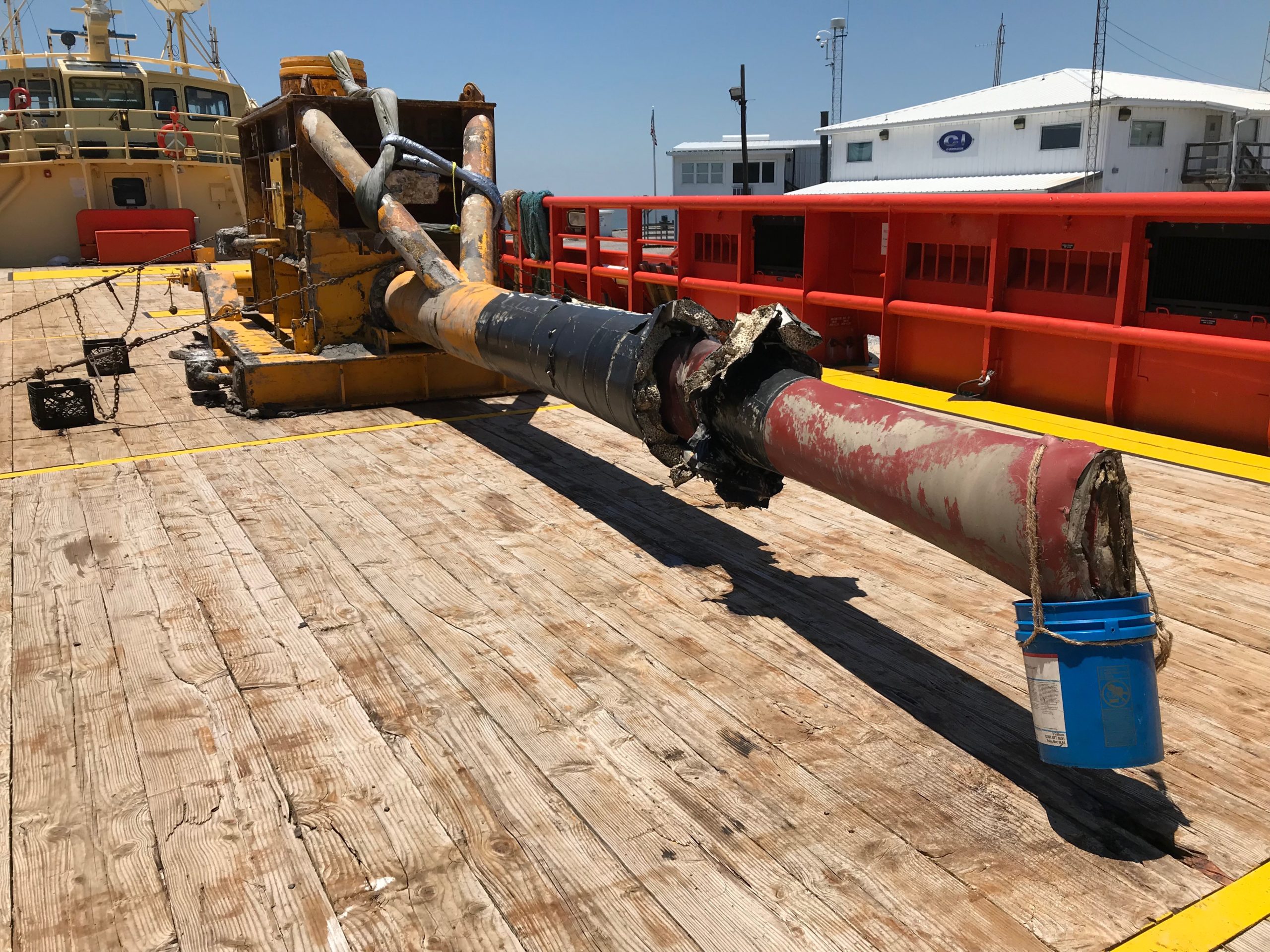
- Decided to lift flowline to surface for surface injection of CT to reduce total distance to blockage
- The raised flowline would require…
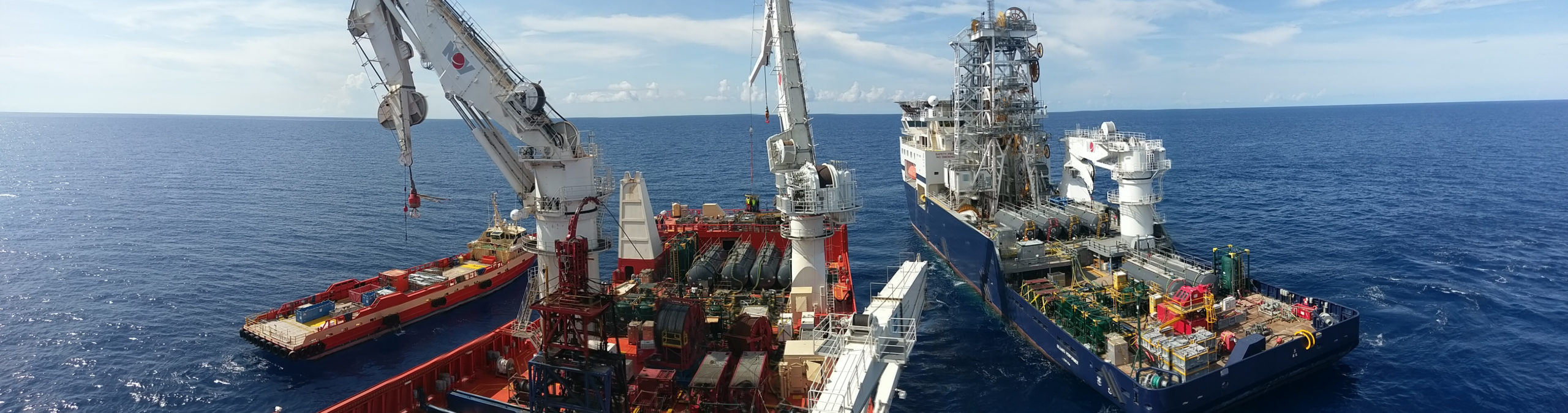
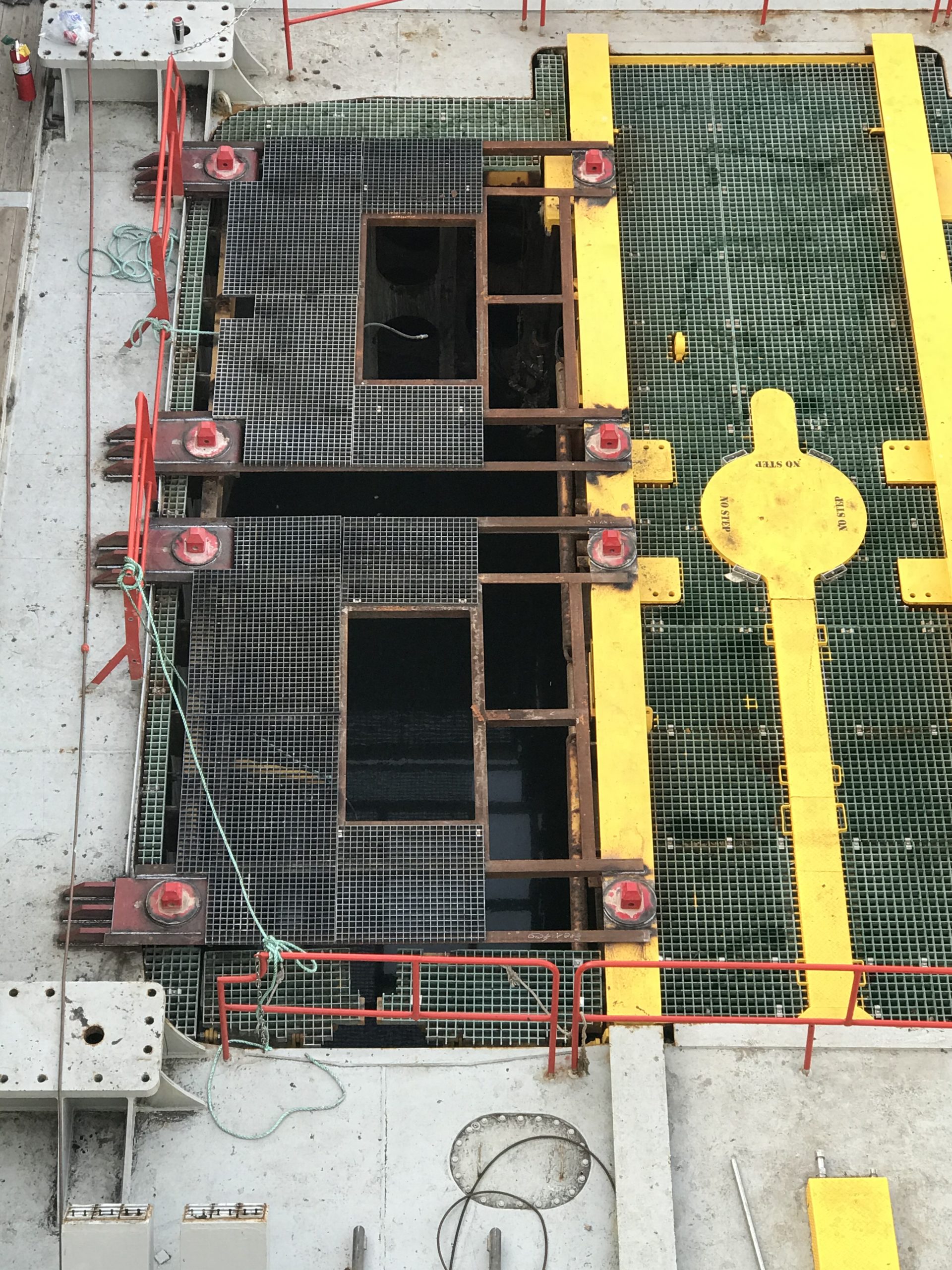
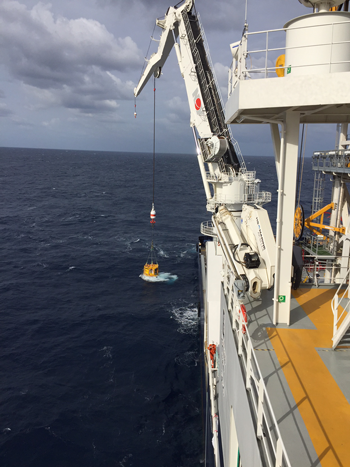
- Lifting/threading through the moonpool of the vessel
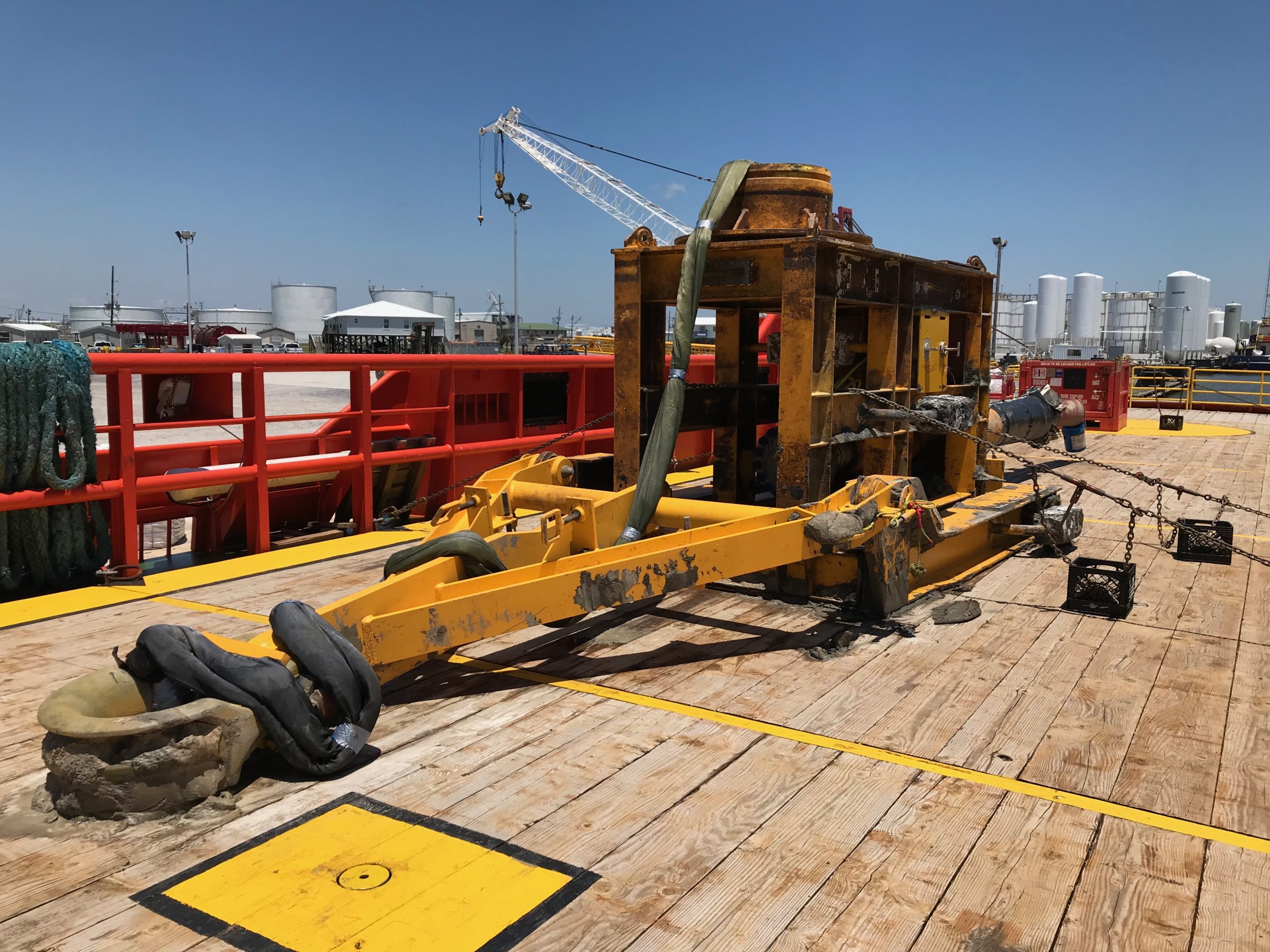
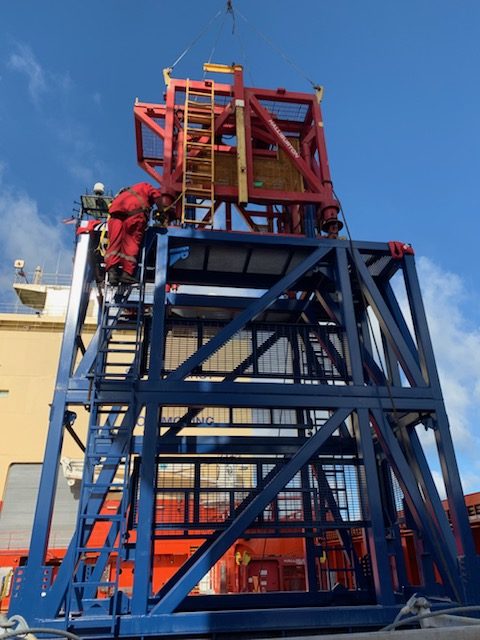
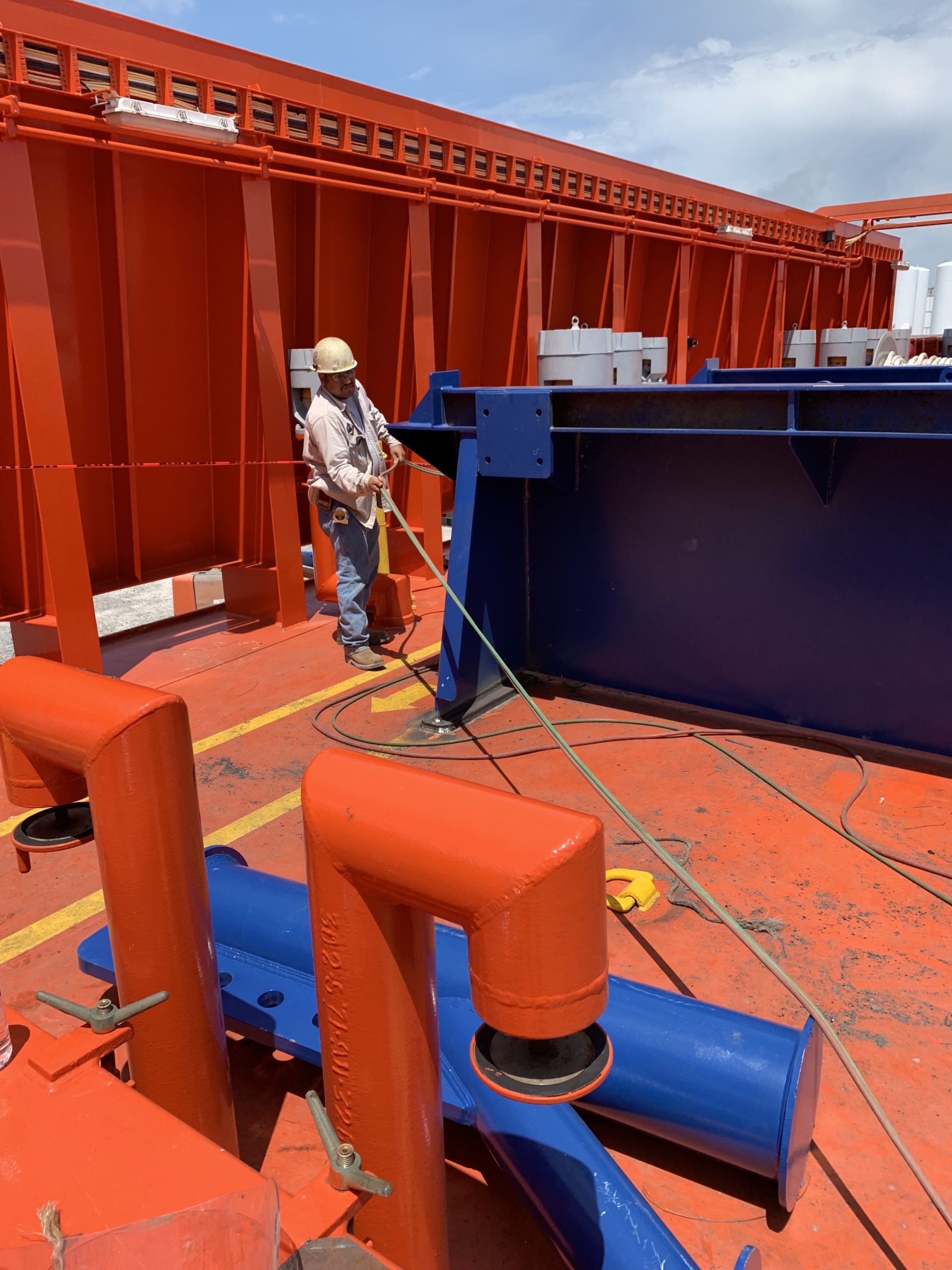
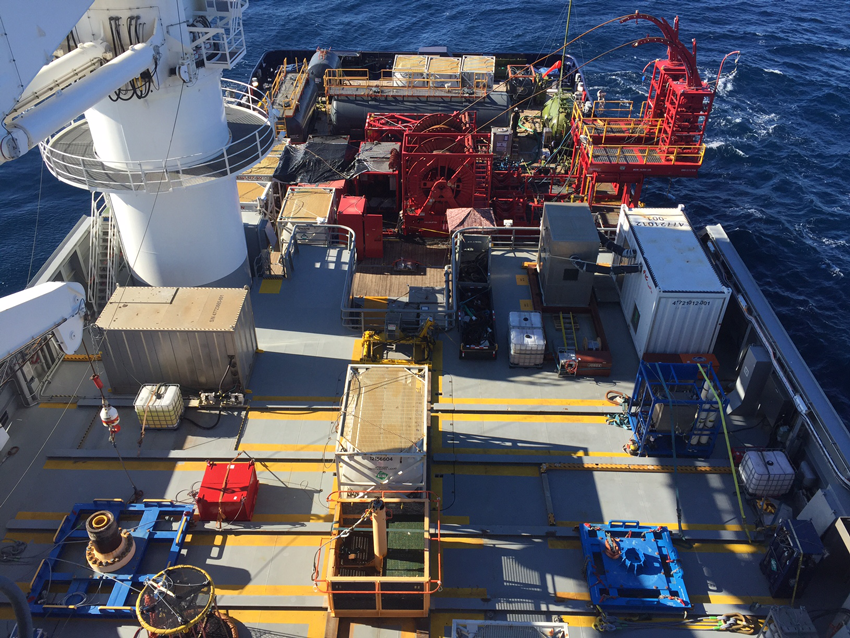
- An adequate hang-off structure to support the catenary weight (plus safety factors). A custom moonpool bridging system was designed & built by NAS for this portion of the solution
- Change-out of interface once recovered to allow for CT injection
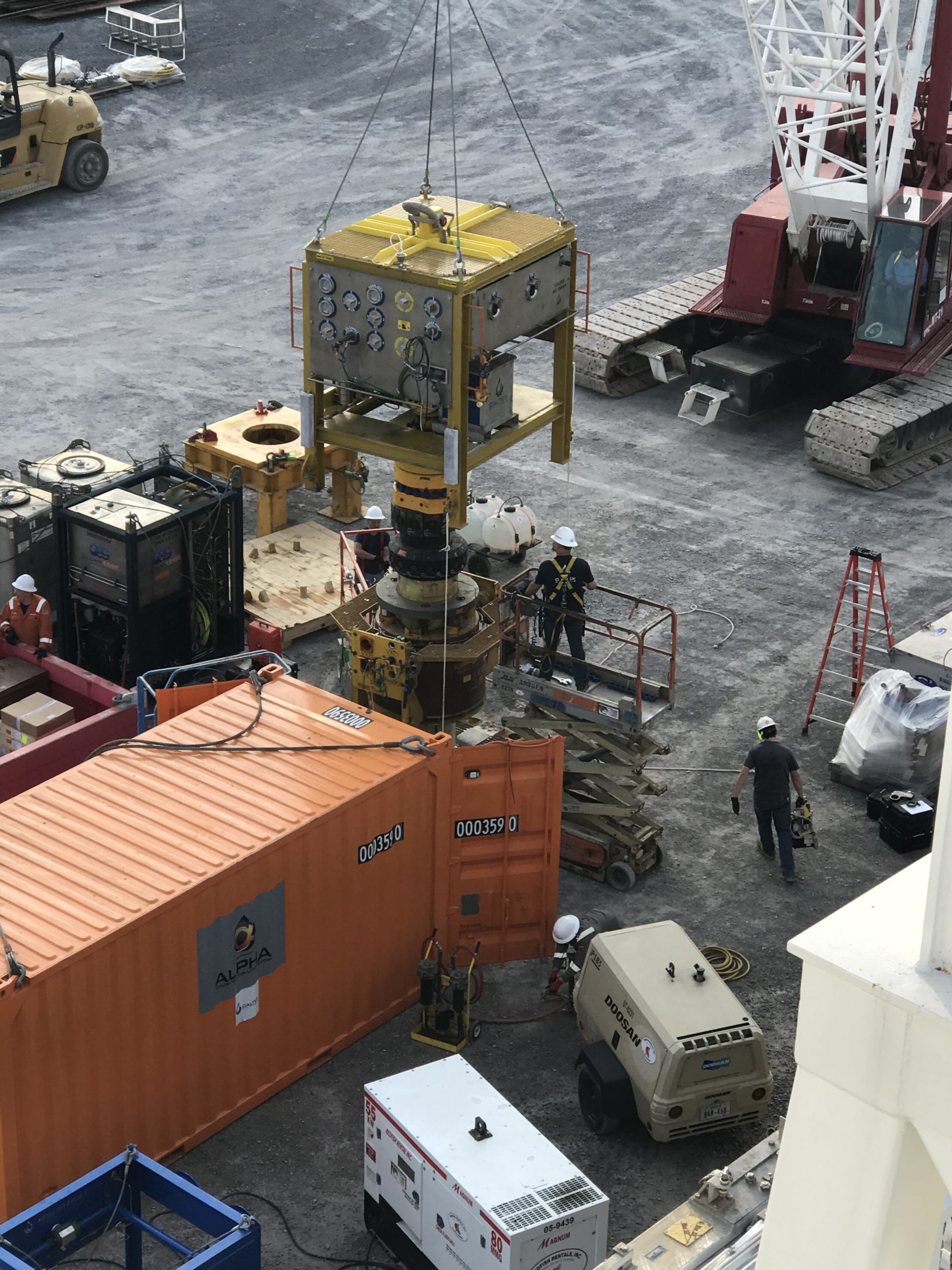
- Additional structure to support rig-up of a BOP & injector system and allow for safe workspace around the equipment
- Full extent of blockage was unknown
- Flowline was to be flushed for cleanliness after blockage remediation which required service vessels at the TLP and the PLET
- Large quantities of solvent would be needed for the job
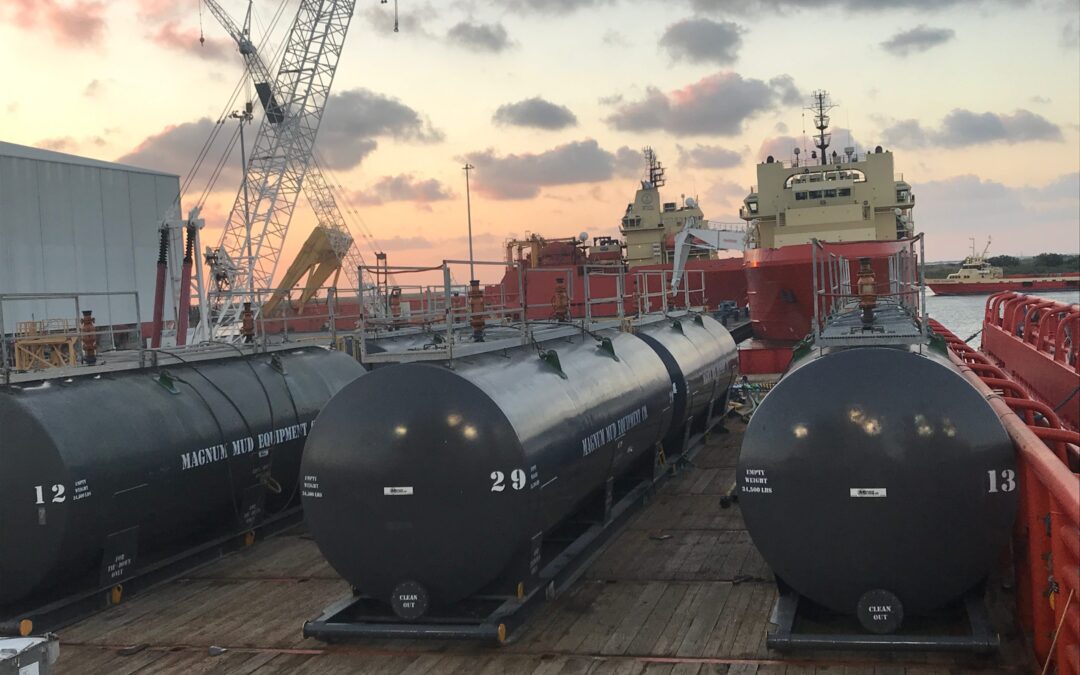
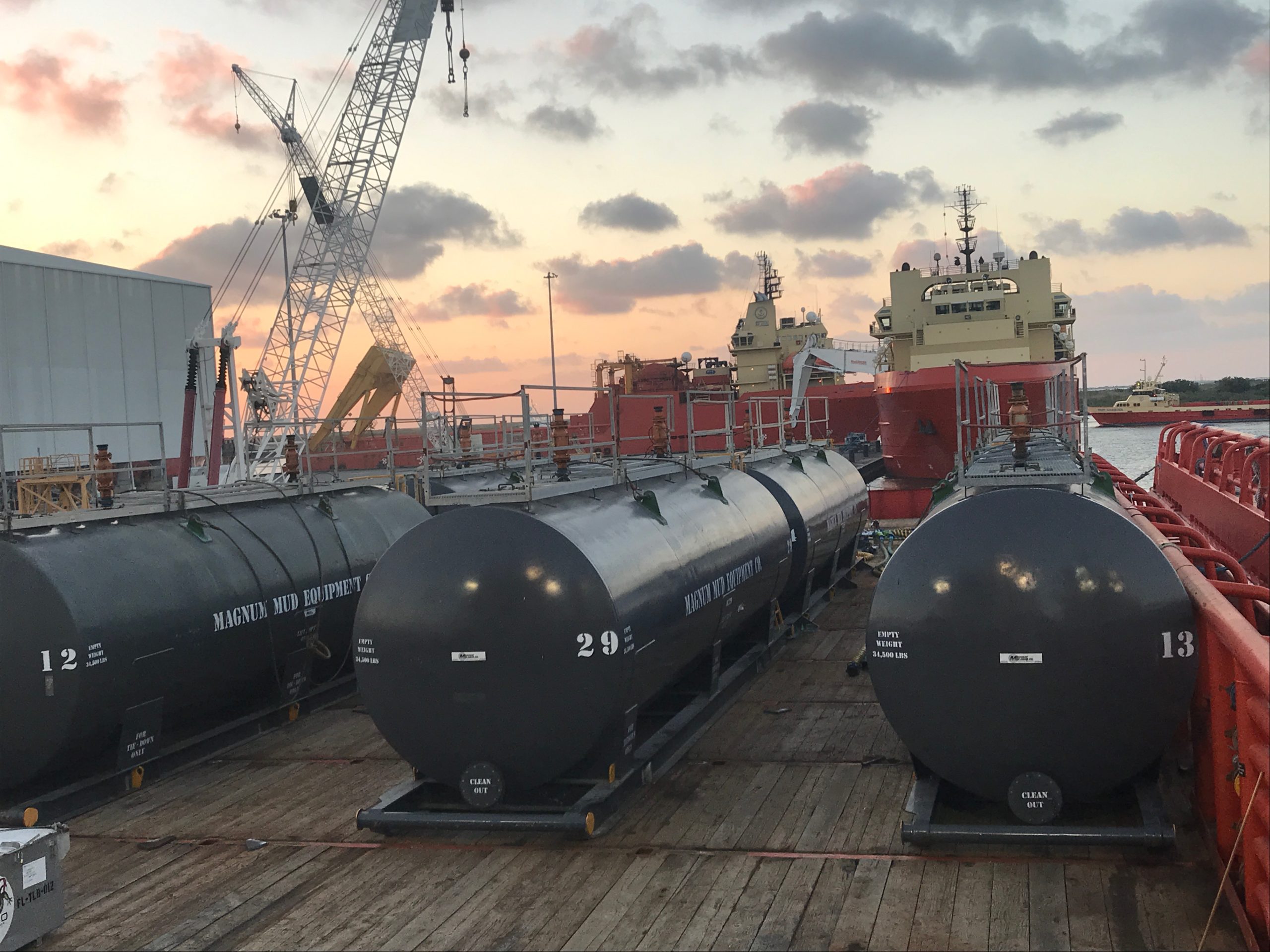
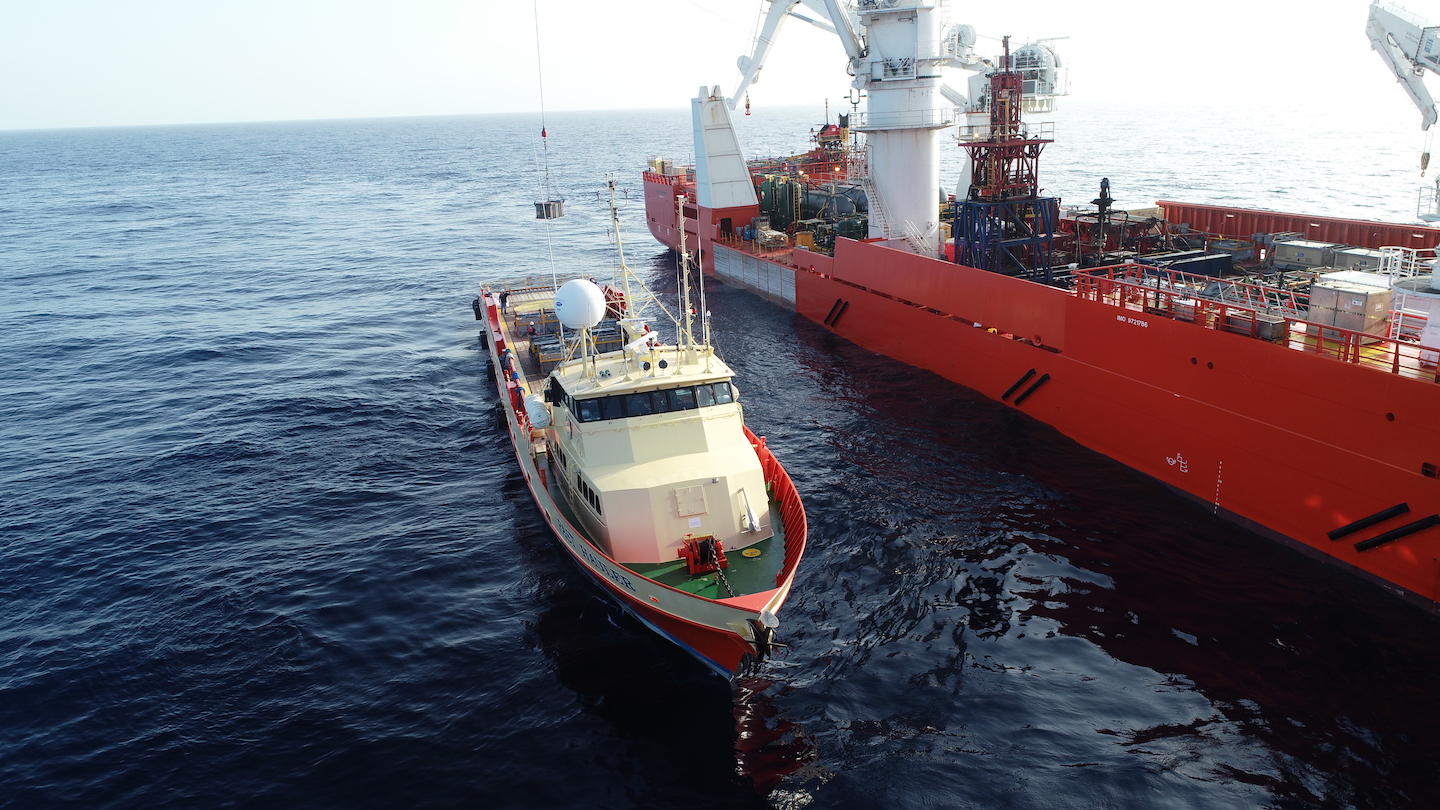
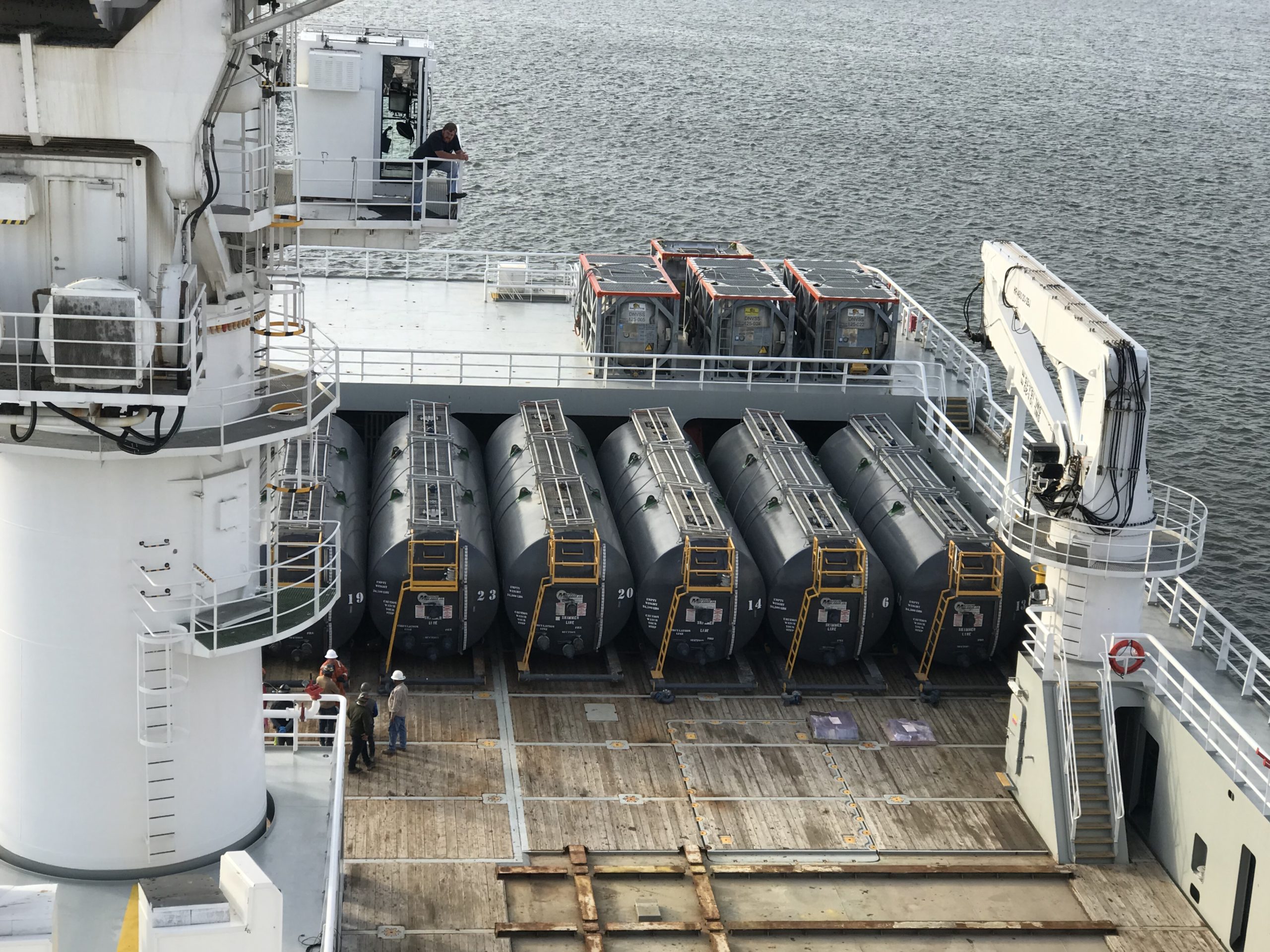
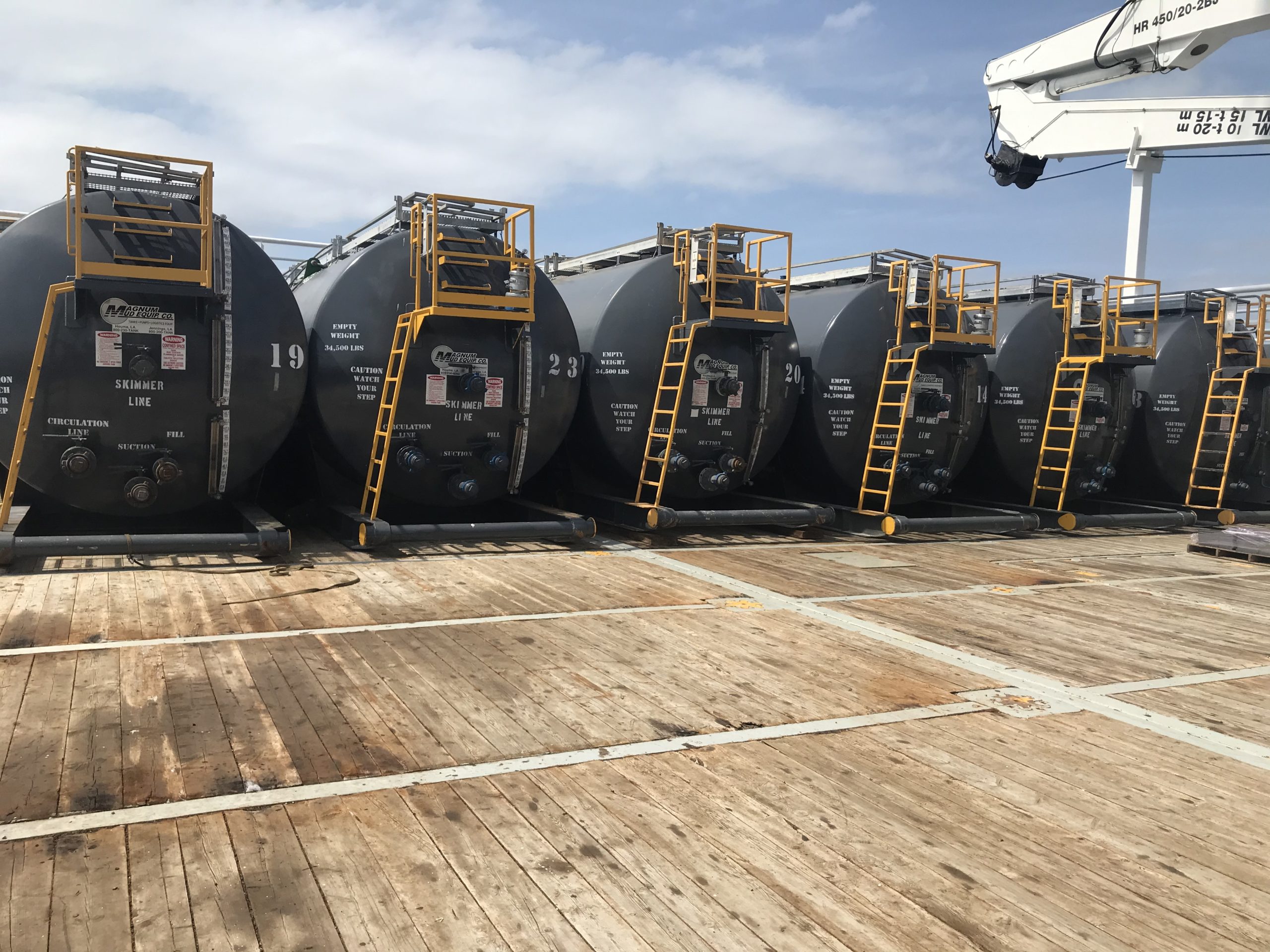
- Expected volume of returns from the flowline would required a large capacity of hazardous material storage and offloading to another vessel while on-site
- The downstream side of the flowline (on the TLP) required a temporary interface to the riser, and nitrogen packing & water flushing systems
- The nitrogen packing was to provide positive indication of breakthrough on the solid blockage
- The water pumping system was to flush the remediated flowline to regulatory cleanliness standards for decommissioning
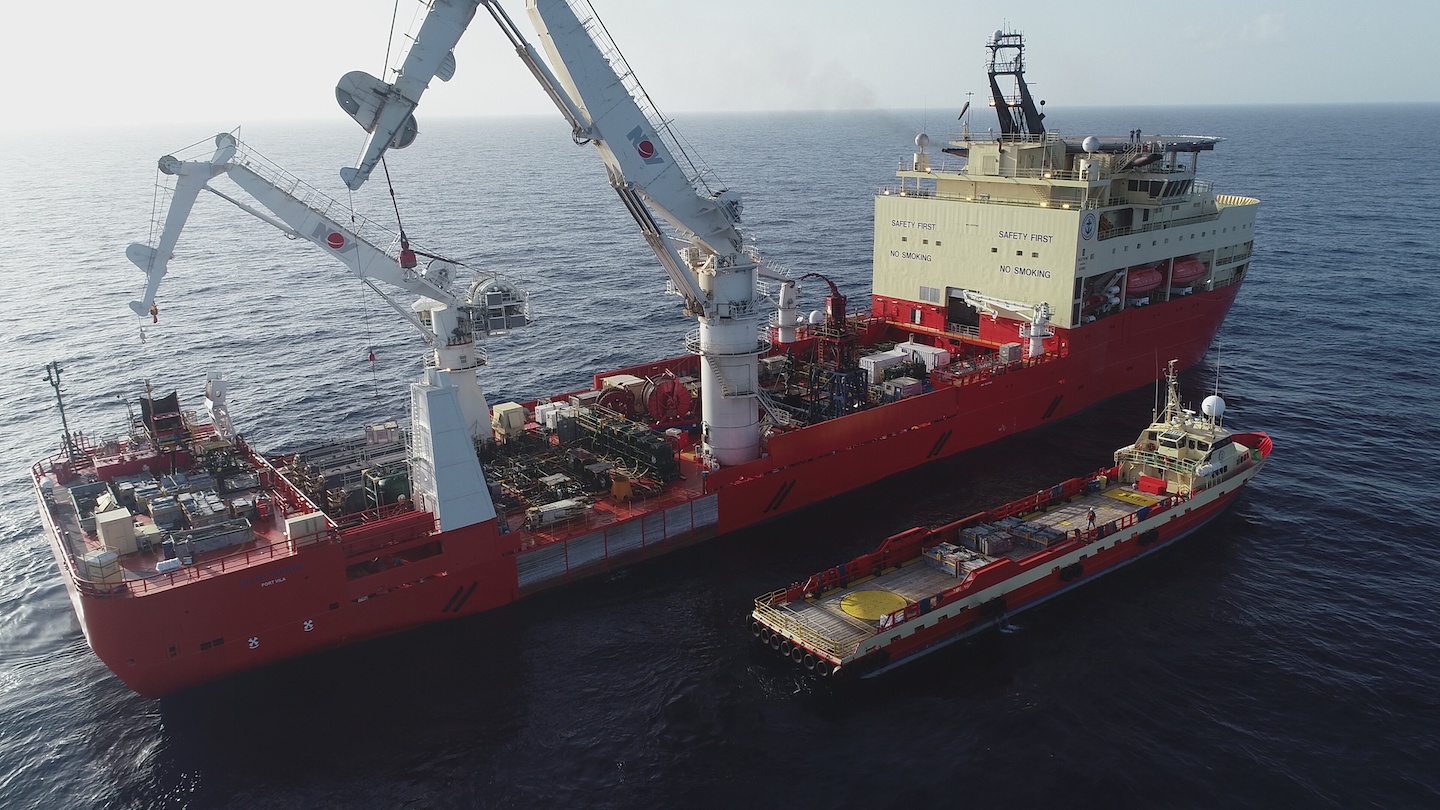
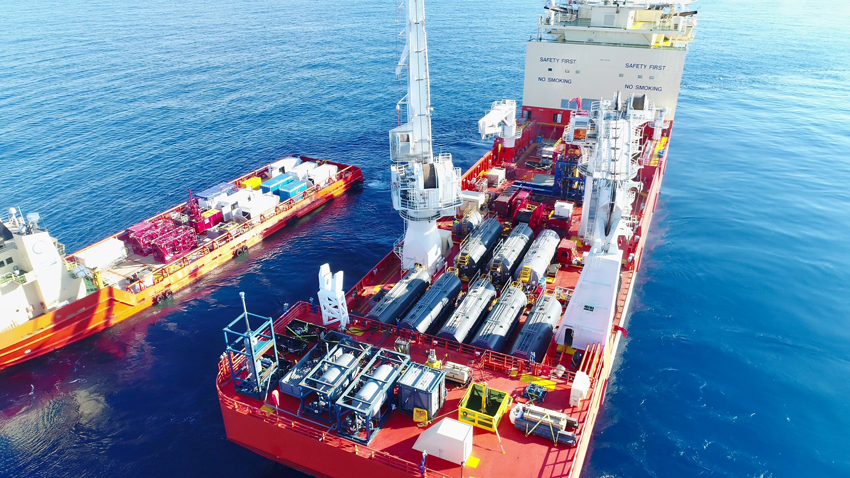
- There is only enough room on the platform for the temporary system which directly interfaced with the riser, all other systems were deployed on a PSV with a flexible hose connecting the systems on the TLP and the system on the PSV
Client Solution
- The flowline was safely recovered & secured, and the interface was changed for intervention
- The downstream (-of the blockage) end of the flowline was packed with nitrogen
- Asphalatenes blocking the flowline were removed (NOTE: not all were removed due to the extensive conditions. The client decided to cease intervention after an approved period of time, and demobilize. This was to no fault of CI, and our solution was still deemed a success…just applied to worse conditions than the client expected to encounter)
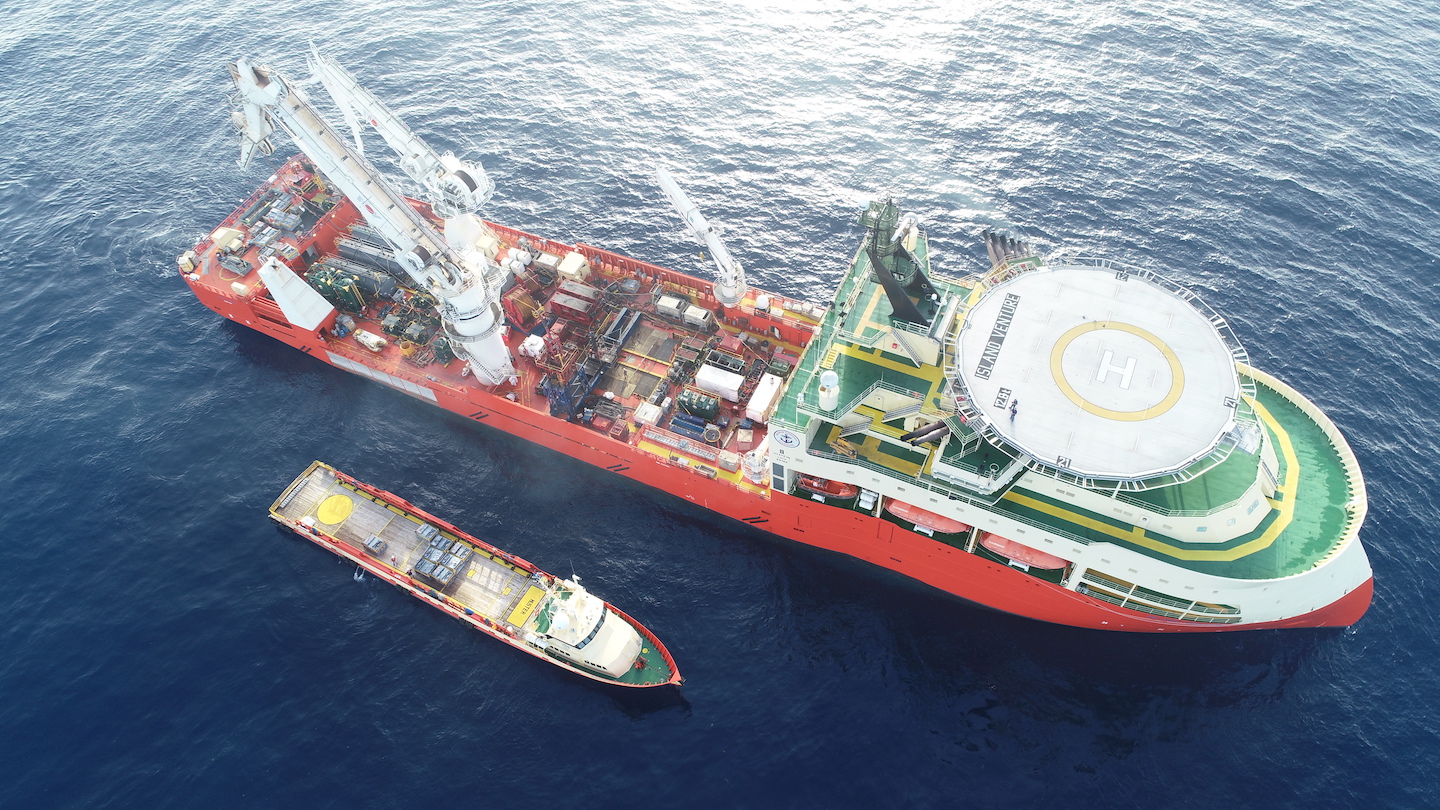
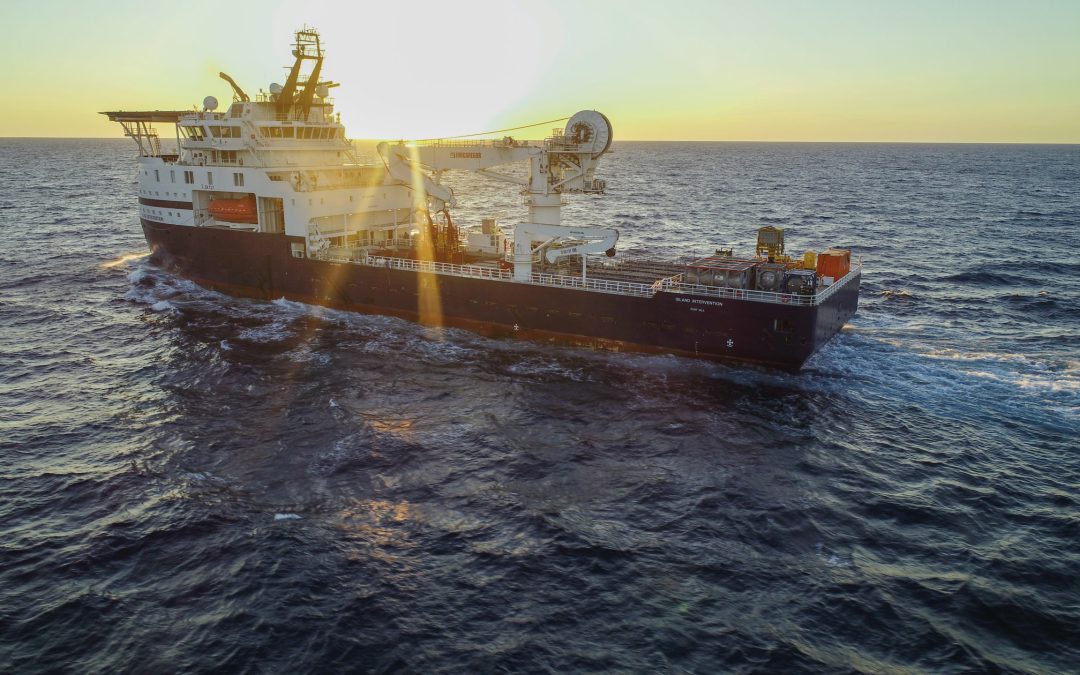
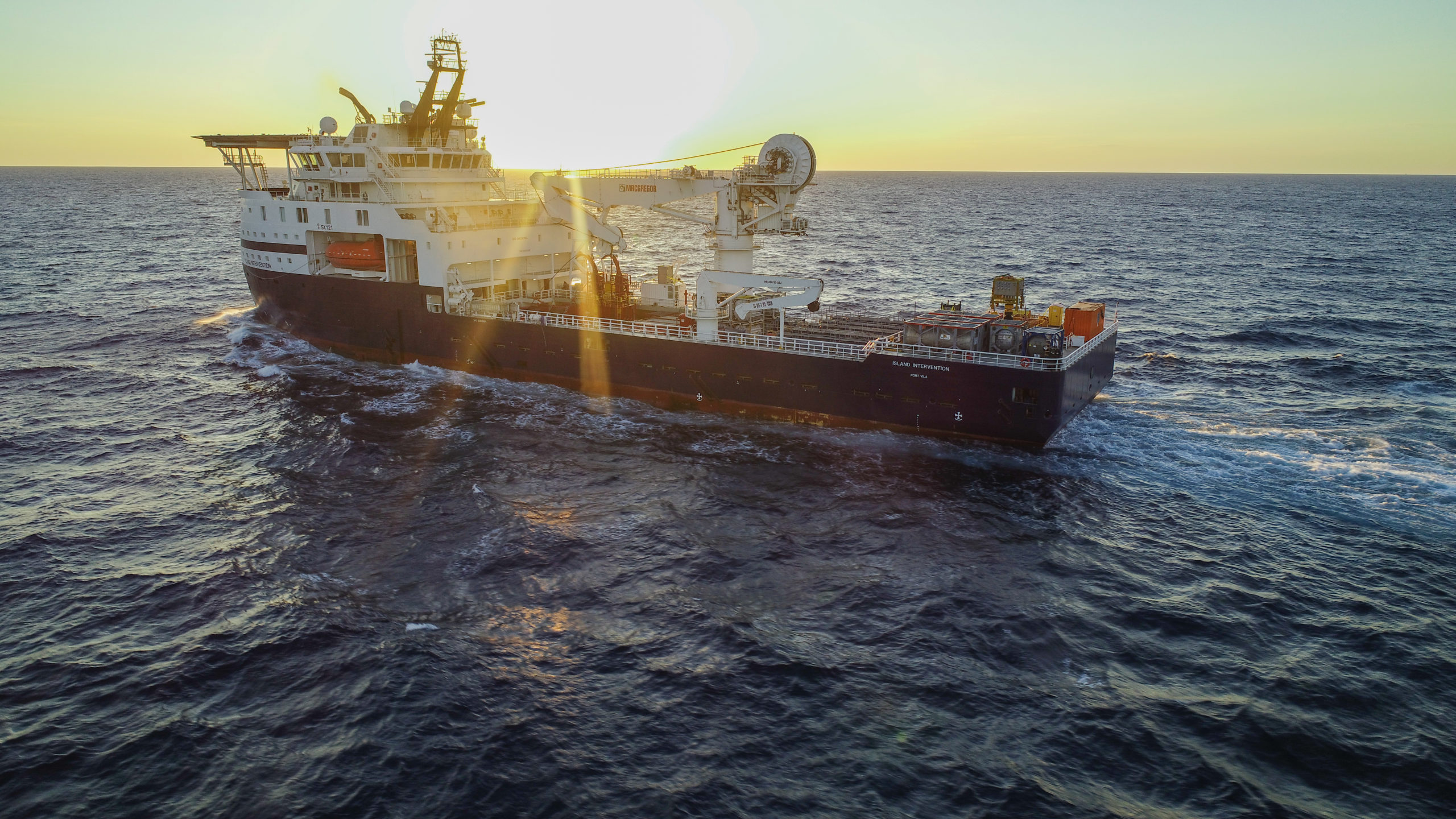
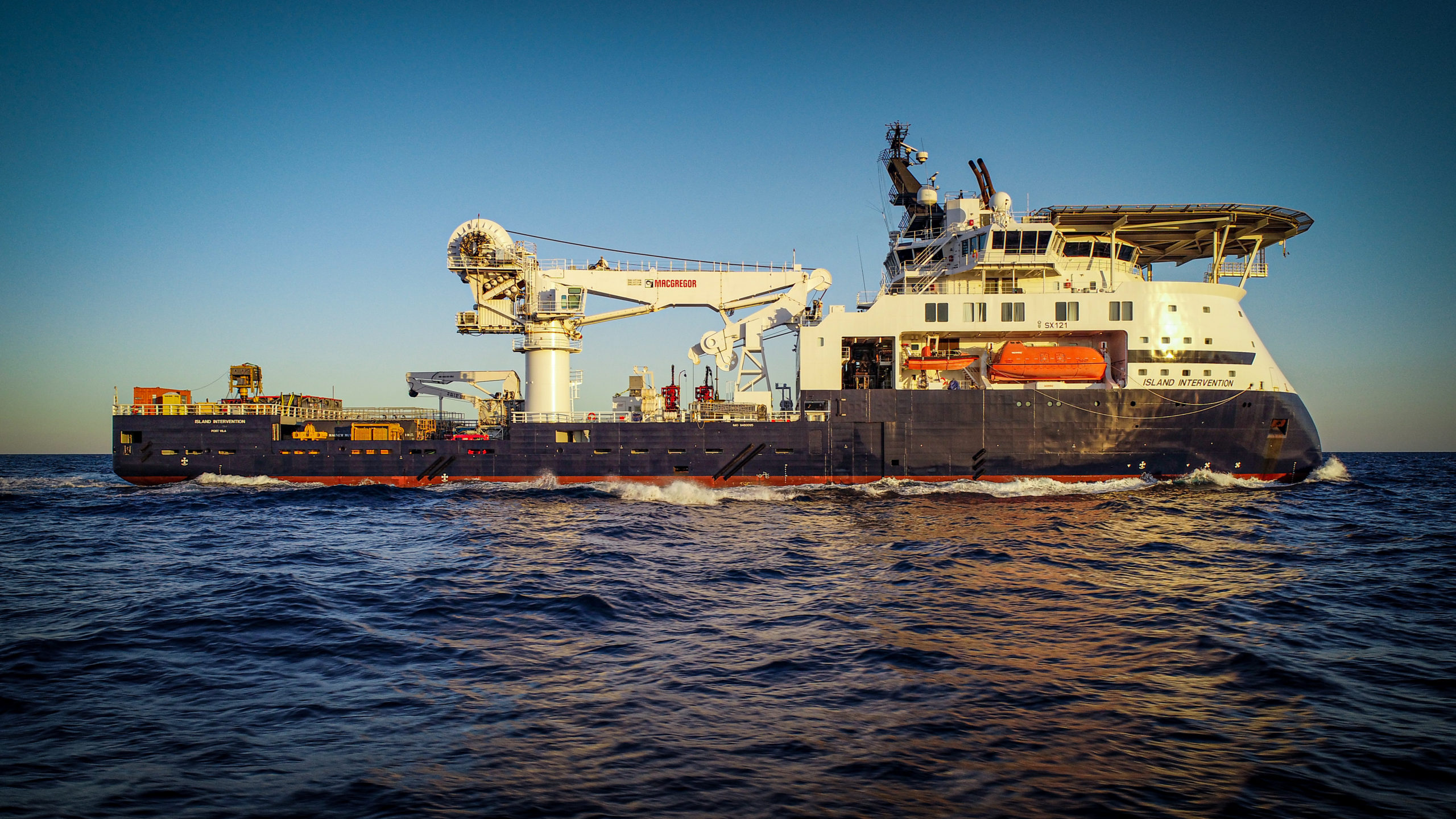
- The Island Venture was on charter to Shell for 26.16 days. However, the preparation for this project began months in advance.
- C-Innovation Subsea Projects Group—project management, engineering, offshore management, logistics, client relations/interface
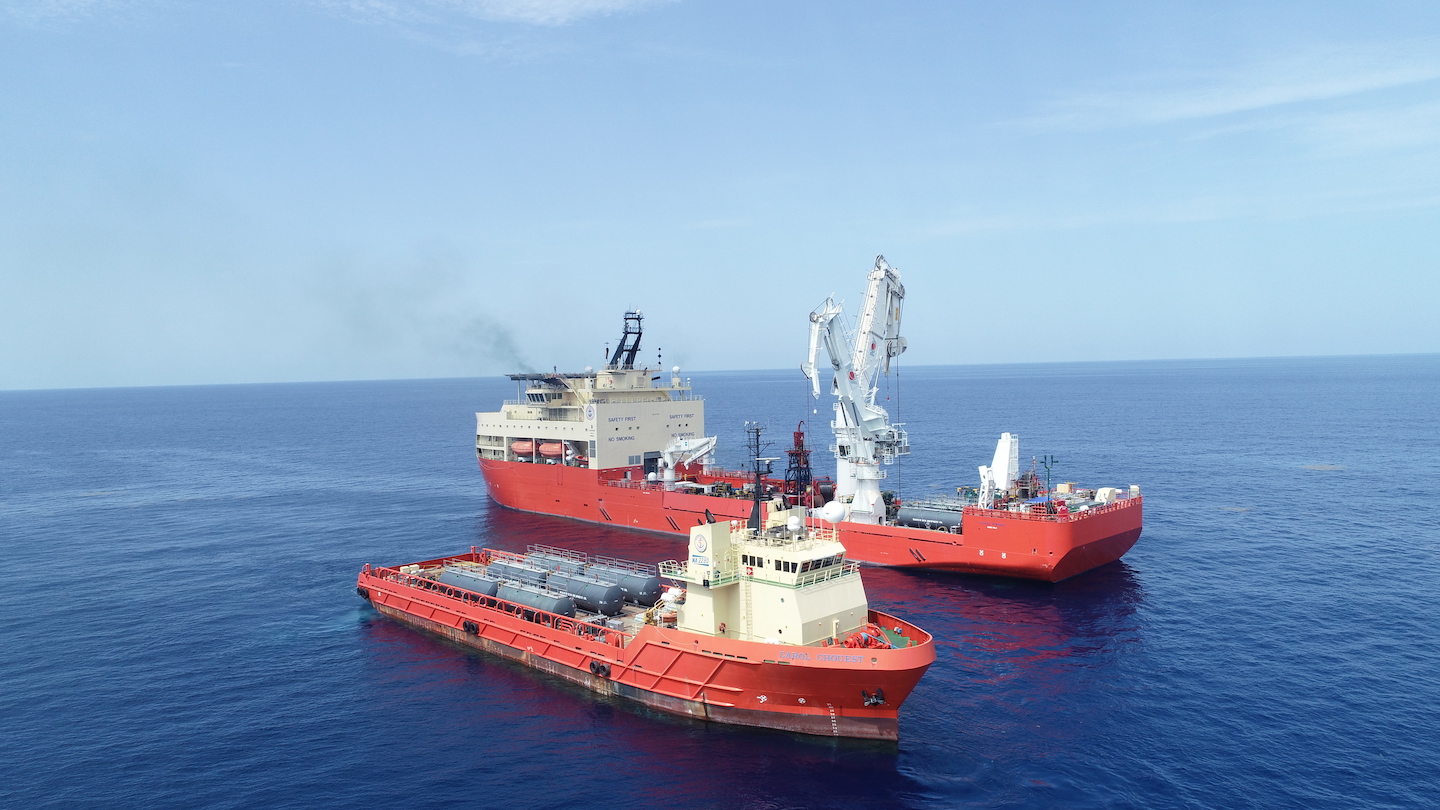
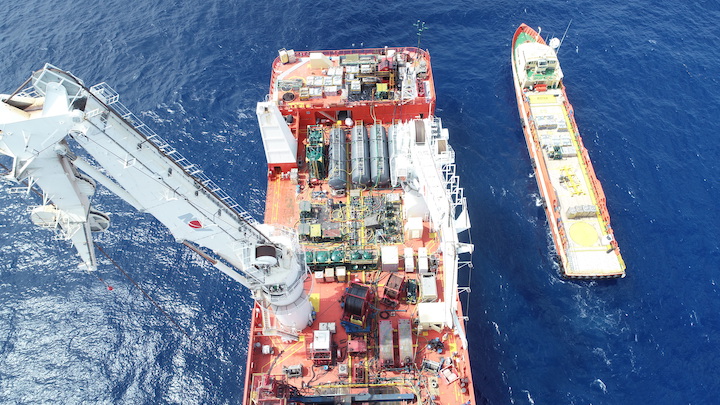
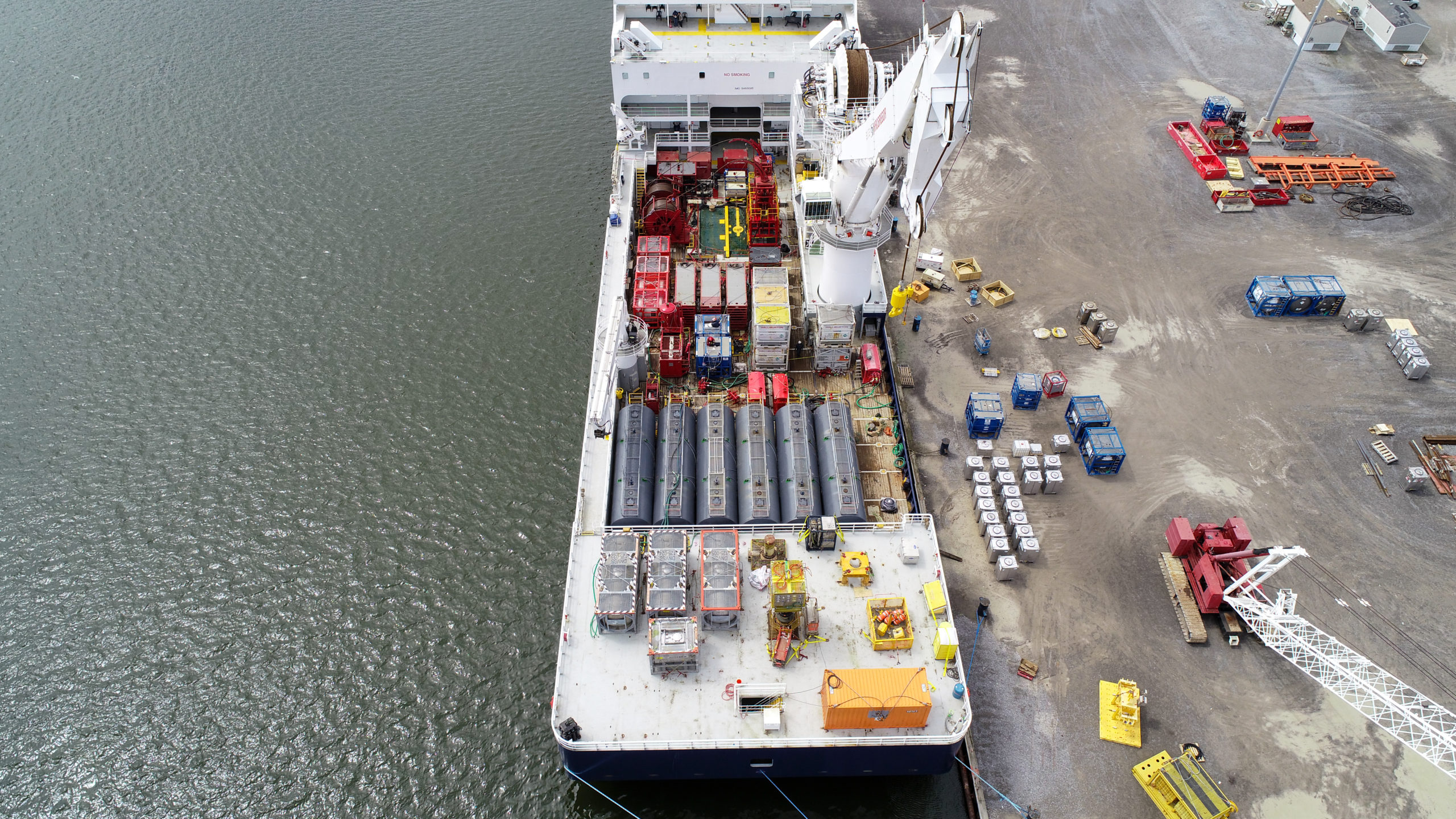
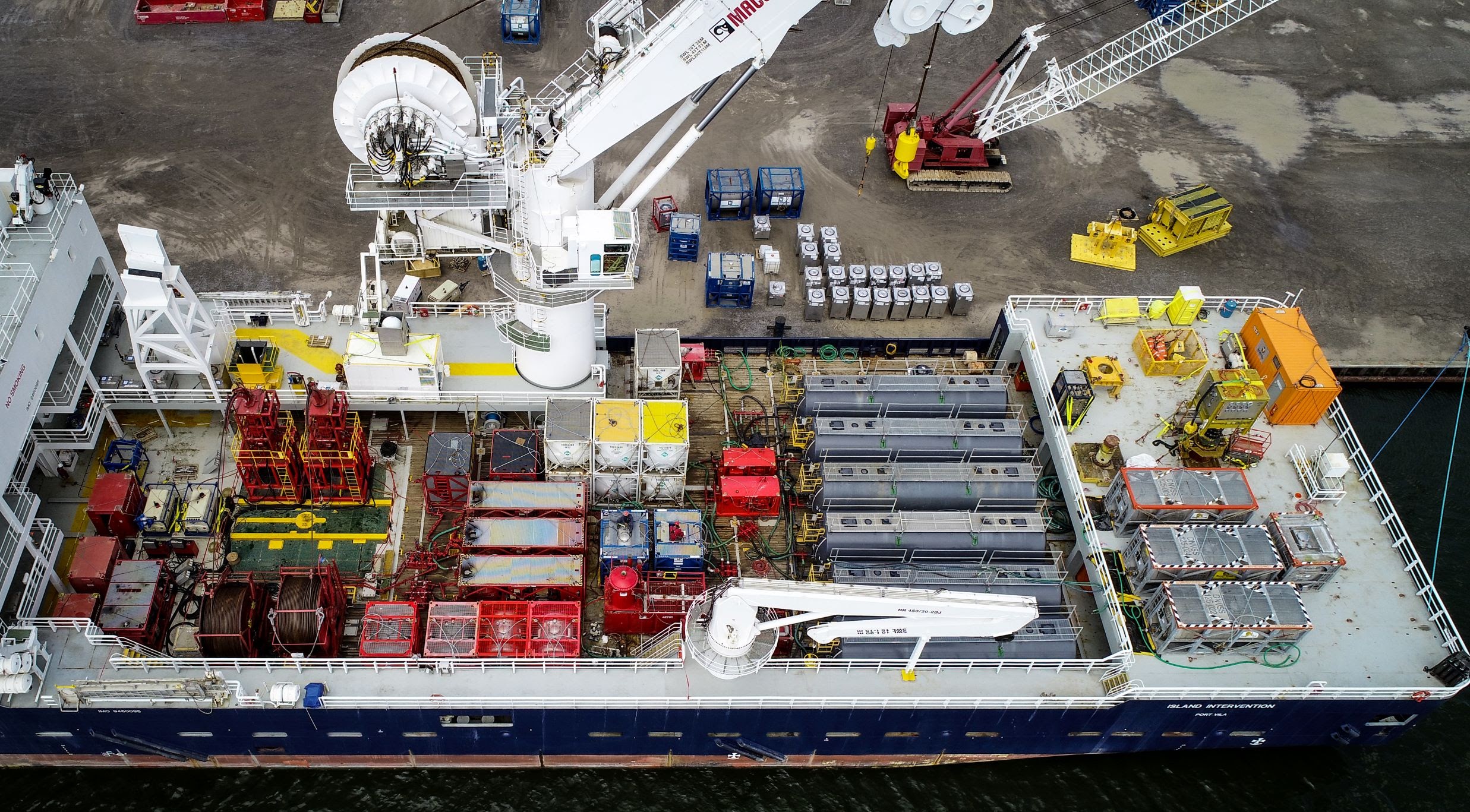
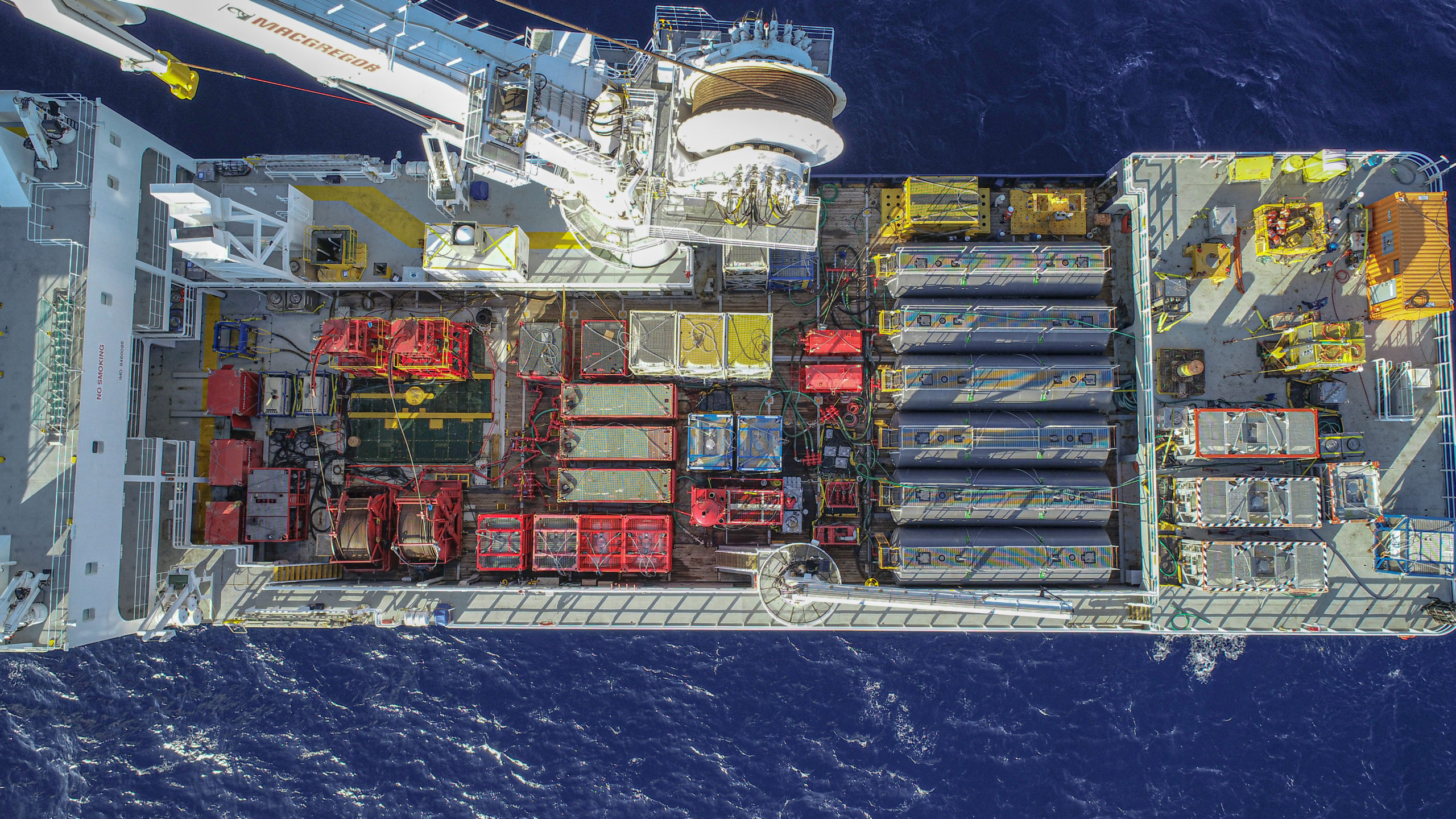
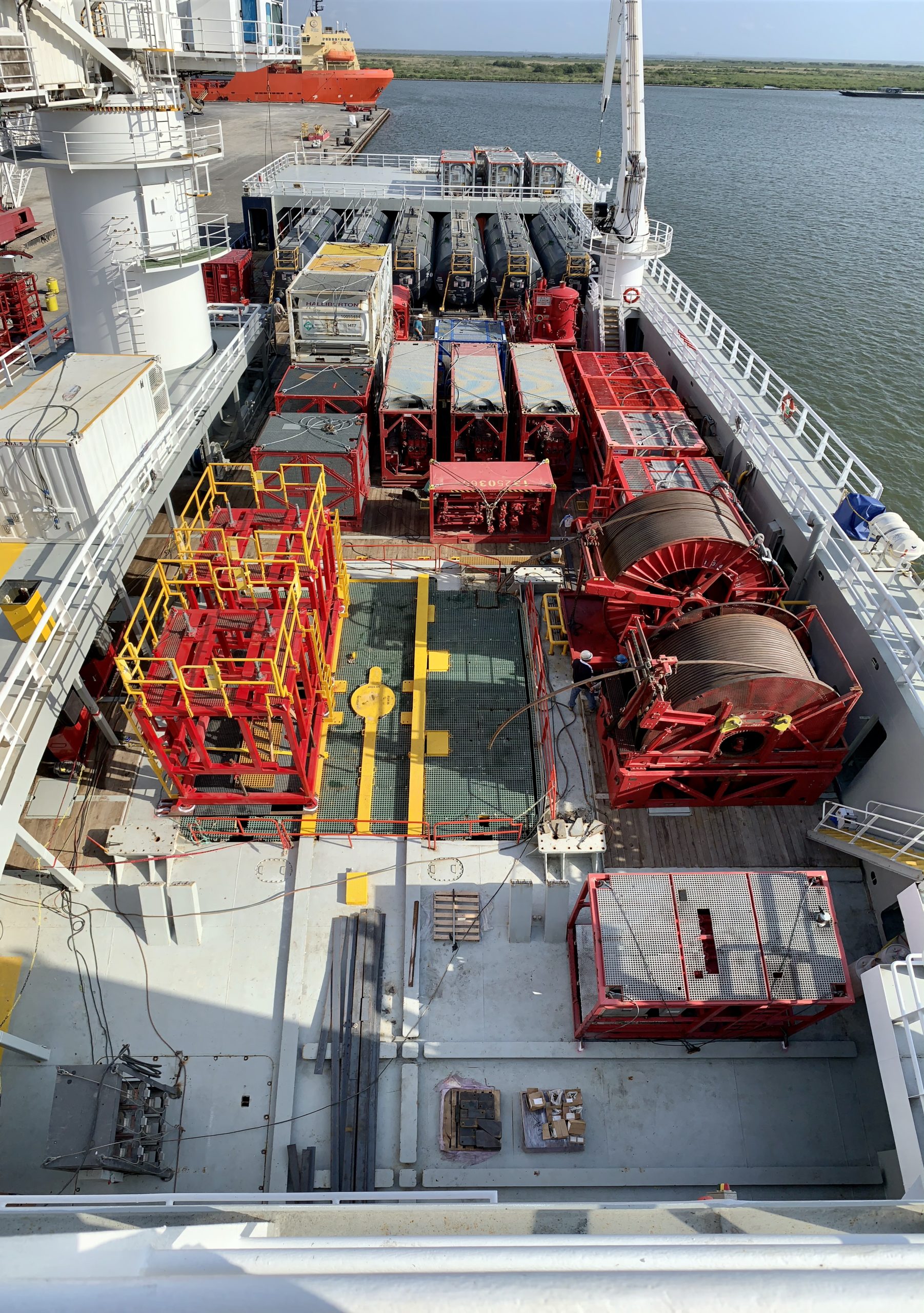
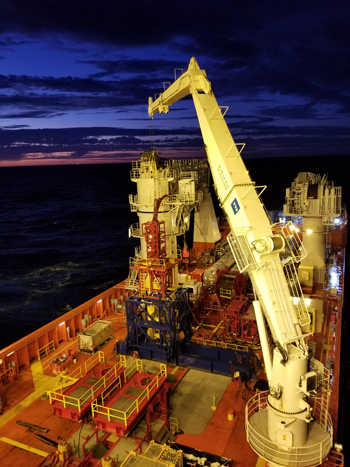
- ECO MSV Island Venture – primary intervention services
- ECO PSV (C-Captain) for platform services—i.e., nitrogen & water pumping
- ECO PSVs (Robin & Ms. Charlotte) for offloading & storage of returns
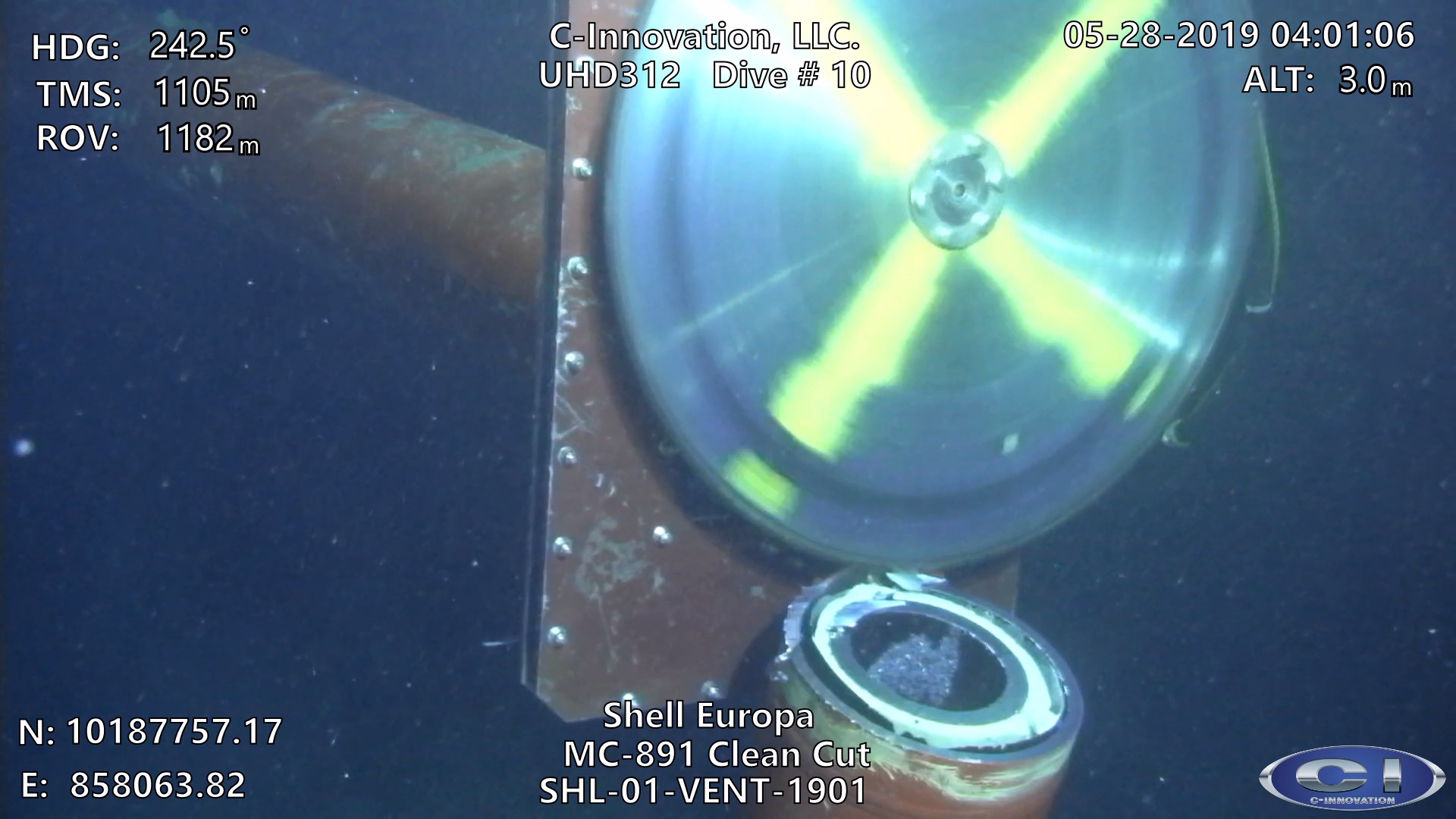
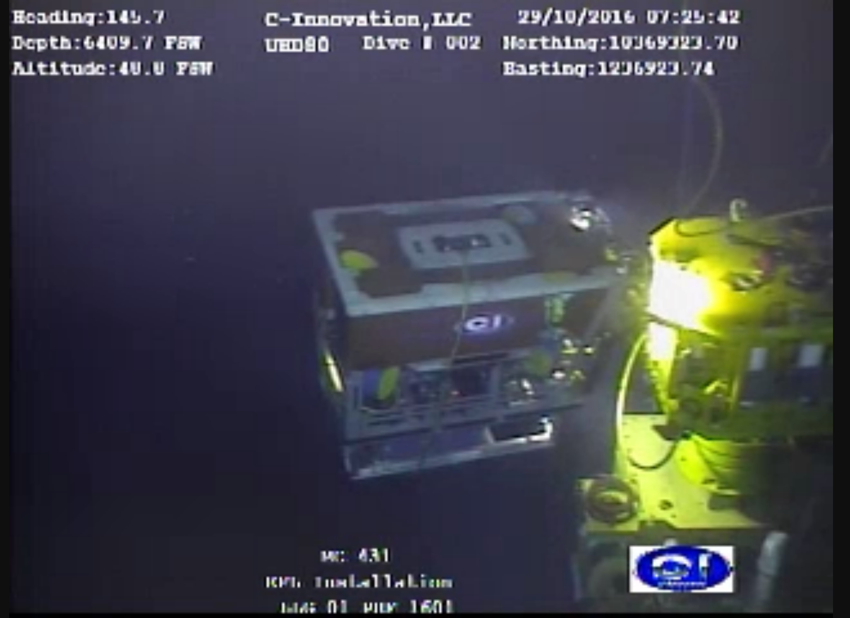
- C-Innovation UHD-311 and -312 for ROV support services
- NAS naval architecture design-build services
- Bollinger for sea-fastening implements
- Halliburton Coiled Tubing
- Halliburton BOP services
- Halliburton Pumping
- Halliburton for platform interface
- Halliburton Nitrogen Generation
- PTS separation systems
- Acute Welding Services for pipeline cuts & interface change-out
Why were these services chosen?
Skilled, integrated team that brought effective one-stop-shop solution to client
How is it unique/different from other similar company/industry-wide projects?
We lifted a pipeline off of the seabed, threaded it through the moonpool of vessel, and supported it for weeks while a surface intervention was performed. This is unheard of. The job was deemed impossible. C-Innovation Subsea Projects & Team Venture was the only party brave enough to provide a viable solution for the client’s challenge.
Results
The client is sole-sourcing a phase 2 solution through us to complete the work scope. More engineering, more planning, more services. We’re going to get that pipeline off of the seabed for them safely and without impact to the environment.
We are solidifying our status as a serious, competent solution provide in the industry.
The client was so pleased with our performance that we are being offered opportunity to additional, diverse work from them—effectively winning share of a rather closed market.