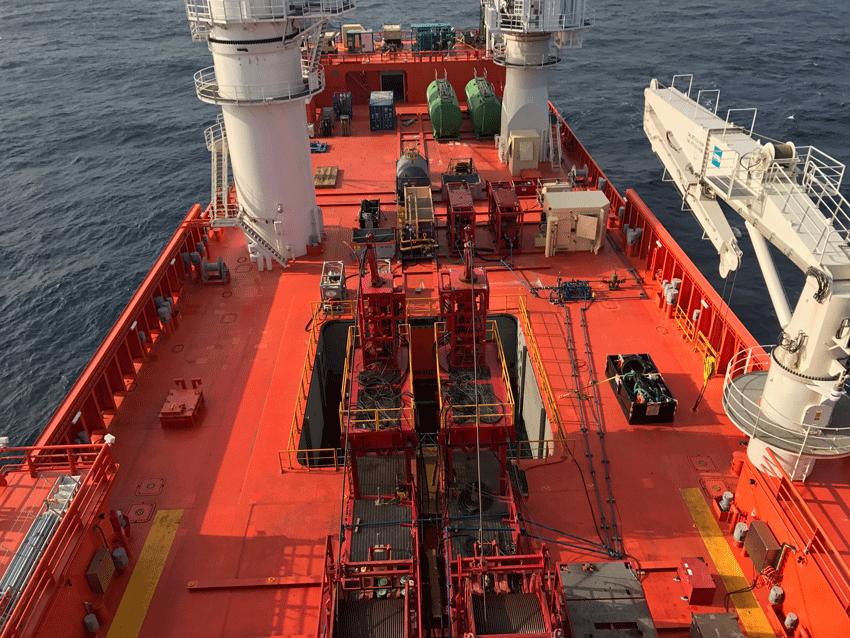
Flowline Hydrate Remediation

Flowline Hydrate Remediation

Cinno2017THwP

Client: W&T Offshore

Project: Fastball Flowline Hydrate Remediation


Scope of Work

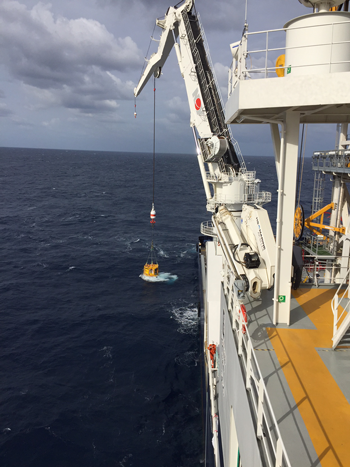
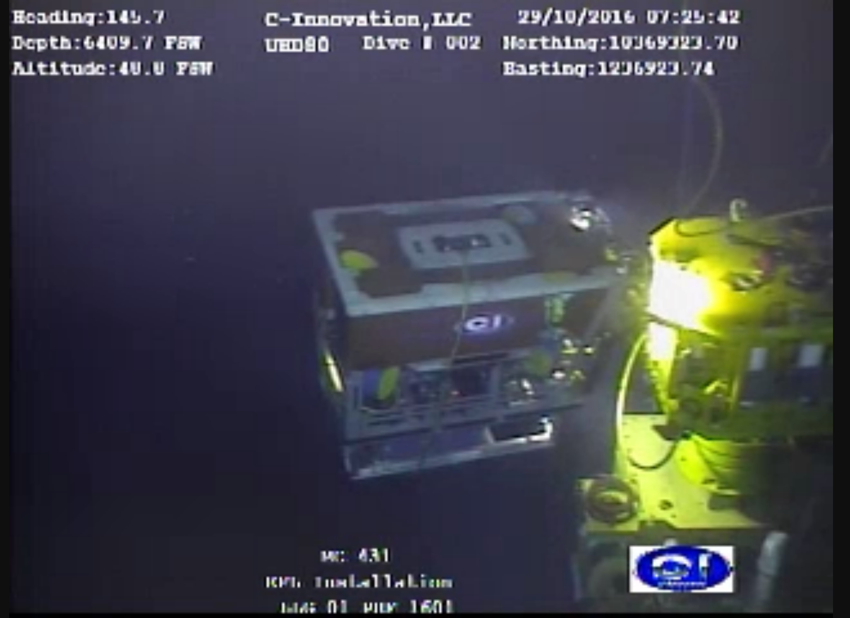
Remediation/removal of complete hydrate blockage and flushing of flowline to satisfy government requirements for decommissioning was performed.  The project took 19 days to complete. The tie-back well had already been de-completed and the jumper removed. Access was through a high-flow Hotstab port on a flooding cap installed on the PLET. The client engaged a third-party engineering firm to define and guide initial, novel methodology for remediation of hydrate blockage.  Following unsuccessful efforts, Team Venture - with approval of client - began our own field-proven methodology for remediation with resounding success.

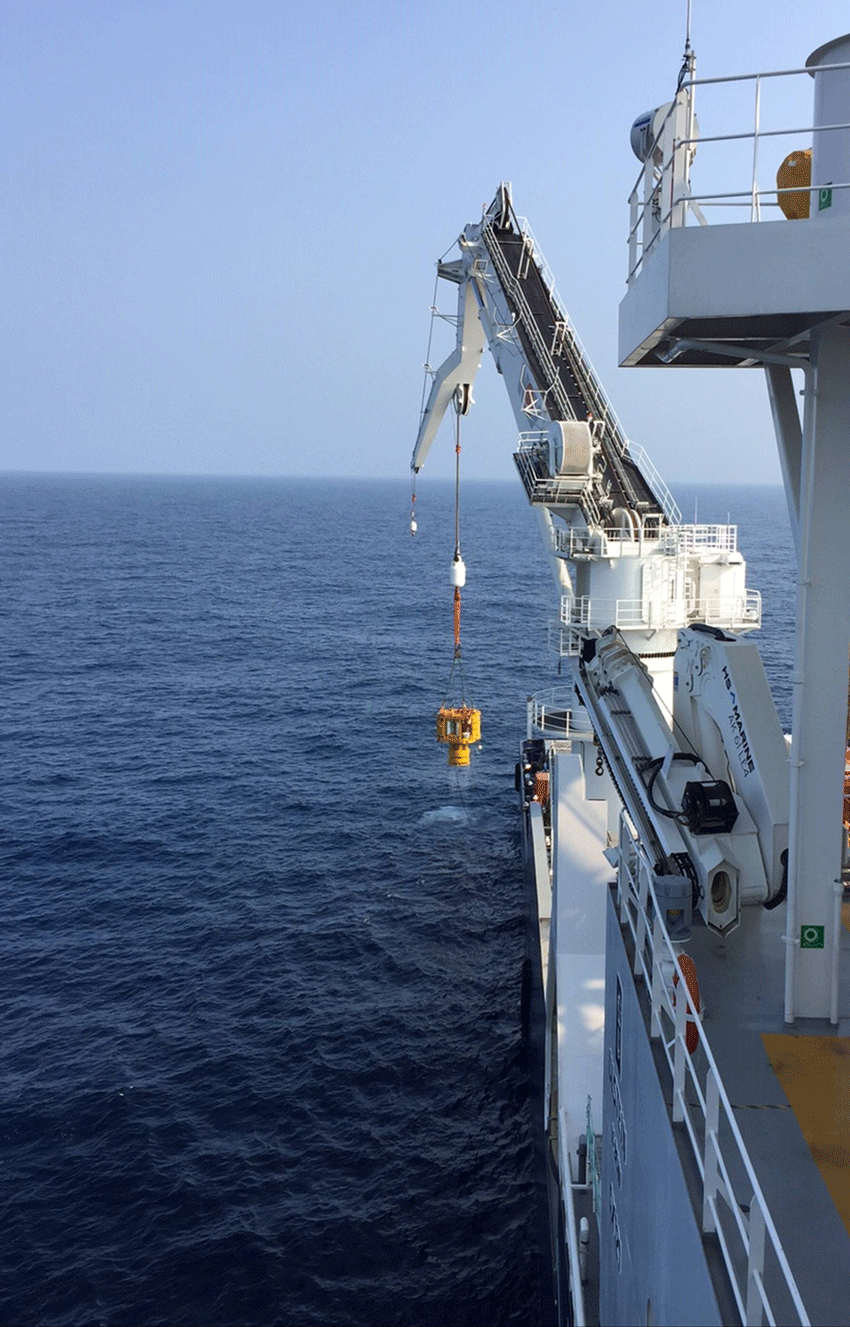
Acid Stimulation of Wells

Acid Stimulation of Wells

Cinno2017THwP

Client: Anadarko Petroleum Company (APC)

Project: Acid Stimulation of Wells

Location: KC875 #1 (Lucius), GC770 #1 (Caesar-Tonga), and GC683 #3 (Caesar-Tonga)


Scope of Work

The prescribed acid treatment to stimulate each well was pumped down dual, open-water coiled tubing (CT) downlines to the subsea well location. The TEI 15K STIM package was used to interface with the well’s subsea tree (XT) and the acid entered the XT and completion via a third-party choke insert. Following completion of pumping, each well restarted production and returns were flowed back to the production facility via the existing production flowline(s).

Typically, this type of scope of work is completed with a rig, stimulation vessel and marine riser with BOP via direct vertical access - which can, in some cases, include necessary wireline services. Pumping outside of a true “open hole” and flowing acid returns into the existing pipelines reduces cost, duration and HSE exposure, allowing an operator more options and opportunity to employ this IOR method.

Currently, we are working actively with clients to potentially use the Island Venture to handle the full scope of pumping, returns and well restart for well stimulation jobs.  Once a safe and successful solution is defined, we will have changed the rig-schedule driven market to include job mobilizations aboard suitable vessels of opportunity.

C-Innovation Chooses Kongberg AUV Systems

Cinno2017THwP

C-Innovation (C-I), a member of the Edison Chouest Offshore (ECO) group of companies and an integrated marine services company specializing in advanced subsea solutions has signed an agreement with Kongsberg Maritime to acquire four new Autonomous Underwater Vehicles (AUV).

The order adds significant AUV capabilities to C-I’s already established Remotely Operated Vehicle (ROV) fleet.

C-I offers comprehensive subsea field development services, including front-end engineering, design and installation serving a global customer base. Its advanced ROV capabilities provide a broad spectrum of support to subsea construction projects, as well as drilling, intervention, maintenance and heavy lift assignments.

Flowline Segment Hydrate Remediation

Cinno2017THwP

Client: Eni Petroleum

Project: Longhorn Flowline Segment Hydrate Remediation

Location: Gulf of Mexico, Mississippi Canyon, Block 502


Scope of work

The primary objective of this project was to clear the flowline of a hydrate blockage to restore production from well #3. The extent of hydrate formation was unknown. The only access was through 1” hotstab port in the ROV panel on the far side of the pipeline segment. We were required to allow for the rest of the system to continue production while still maintaining the dual barrier (from live production) and effectively remediating the blockage. We used topside pumping and separation capability to remove potential mudline restriction which competitors’ systems may introduce. Additionally, nitrogen injection and gas lift were utilized to remove liquid contents from one side of the blockage, effectively reducing pressure and providing a dry environment (both of which aid in the dissociation of hydrate formations.)


FS2 Fluid Loss Isolation Barrier Valve

FS2 Fluid Loss Isolation Barrier Valve

Cinno2017THwP

Project Details

Client: ExxonMobil

Location: Julia Field


Overview

Open an FS2 valve using UHD ROV power only.


Challenges

Create a viable and economical procedure using an UHD ROV and related equipment that is compact and powerful enough to actuate the FS2 valve through existing tree communication ports.


Client Solution

  • We designed, built and deployed a subsea tree controls interface system which leverages the existing infrastructure and technology of the ROV systems. The interface system utilized 100% subsea ROV-based tooling to actuate the well’s lower completion isolation valve.
  • C-Innovation was contracted by ExxonMobil to open several wells. We successfully actuated four FS2 valves to the open position using this system. Exxon considers the procedure a monumental success and a long-term solution to an otherwise costly adventure.
  • The process improved with each well activation. Since the procedure had never been done before, there were some early calculations that were purely speculative. Moving Forward, actuating the FS2 valve to create a fully functional tree can be done in under 3 hours.


Why were these services chosen?

The drilling and completion rig had already moved offsite and would have had a high cost and even higher impact to the remaining drilling and completion schedule to bring it back to do this job. We developed this solution to capitalize on and leverage existing infrastructure to provide a new ROV service to complete a task that is essential to production start-up.

Results

We have created another option for operators to start-up and commission their wells and fields which reduces the cost and allows for more flexibility in logistics. We used a novel but simplistic system to leverage our existing ROV technology to interface with a more advanced subsea tree (XT) control system.  Earlier generations of subsea control technology would require a more advanced interface kit for the ROV, but we have proven this is possible though other implementations of technology with cooperation from the client and subsea hardware providers. We are changing how the industry can respond to subsea equipment and well issues with existing technology and greater speed and still maintain reliability in control.

Estimated saving were $3M USD per well (when compared to accomplishing the same with a rig and riser)

The rig’s primary mission is drilling and completion, keeping it onsite to actuate this valve reduces the overall value of the rig deployment. With rig day rate and availability what they are, it is important for an operator to move the rig off the well center and to the next drilling location sooner. In this case, the rig had already moved offsite and would have needed to transit back (at its low rate of speed and high rate of cost) and redeploy a riser system to perform this simple task. Using a small vessel and ROVs, we enabled this to be done quicker without distracting the rig from its current path.